Sports
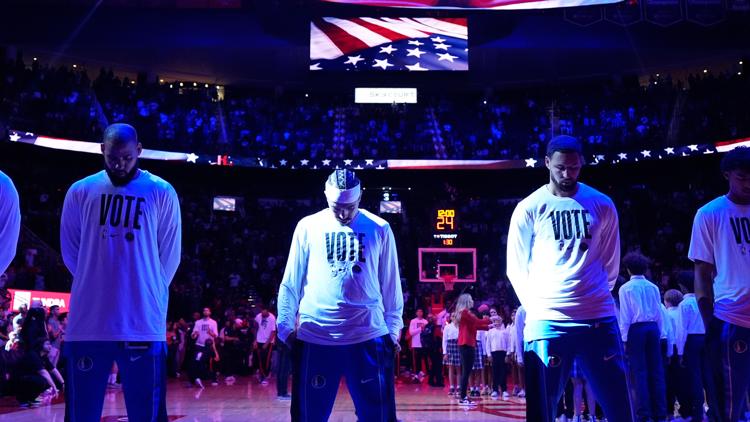
Why are there no NBA games on Election Day?
By Lindsey Harper
Advertisement · Why this ad?
Maya Zhang, a former collegiate athlete and graduate of Southern Methodist University, has a vibrant enthusiasm for covering local sports. With 6 years of experience at local sports networks and a passion for storytelling, she brings high energy to every game she covers.
More from Maya →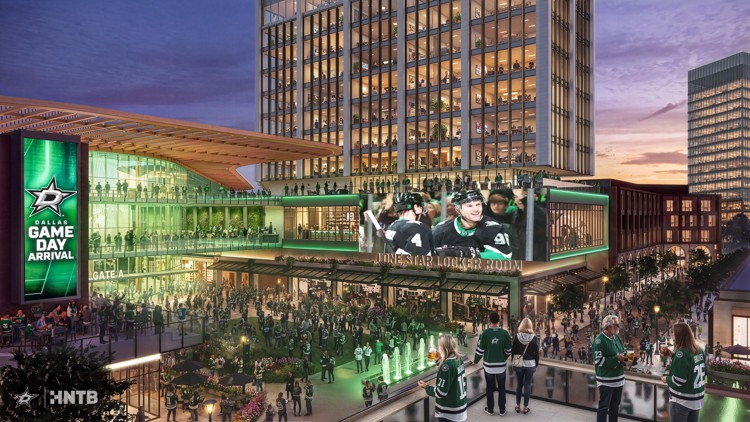
As the sun set over Plano, Texas, the anticipation in the air was electric. Residents gathered at polling stations, ready to cast their votes on a pivotal referendum that could reshape the local sports landscape. The stakes were high, with the potential for a new Dallas Stars arena on the line, and voters were keenly aware of what this decision could mean for their community.
On election day, Plano voters faced a crucial choice: to approve a referendum allowing the city to implement new taxes to fund up to $700 million for the construction of a new hockey arena for the Dallas Stars. This proposal, which has been a topic of heated discussions among residents, aims to enhance both the local economy and the cultural fabric of the area.
The city hopes that the new arena will not only serve as a home for the Dallas Stars but also attract major events, concerts, and tournaments, positioning Plano as a hub for entertainment and sports in North Texas. The current arena, while beloved, has faced criticism for its age and inability to accommodate the growing demands of modern sports entertainment.
As voters made their way to the polls, they were met with information booths detailing the potential benefits of the new arena, including job creation, increased tourism, and enhanced local businesses. "This is not just about hockey; it’s about our community’s future," said Mayor John Muns in a recent town hall meeting. "Investing in a new arena is an investment in our families and our local economy."
The community's response to the proposed referendum has been a mix of excitement and skepticism. Many residents recognize the potential economic benefits, while others express concern over the new taxes that would be required to fund the project. Local business owner Sarah Johnson voiced her support, stating, "A new arena could bring in so much business. It’s a chance for us to thrive and grow together as a community."
Conversely, some voters worry about the financial implications. Retired teacher and longtime resident Tom Miller expressed his apprehension, saying, "I love hockey, but I’m not sure I want to pay higher taxes for a new arena. We need to think carefully about our priorities as a city." This sentiment reflects a broader concern among some residents about balancing community investments with the need for responsible fiscal management.
Despite differing opinions, community leaders have worked diligently to bridge the gap between supporters and skeptics. Town hall meetings have provided a platform for open dialogue, allowing residents to voice their concerns and ask questions. City officials have emphasized the importance of transparency, assuring the public that the funds generated from the new taxes would be strictly allocated for the arena project.
Moreover, community organizations have stepped up to facilitate discussions, ensuring that all voices are heard. Local nonprofit groups have organized forums to educate residents about the potential impacts of the arena, fostering a sense of collective ownership over the decision-making process. These forums have included presentations from economic experts and community leaders who have illustrated the potential return on investment for the city, showing how a new arena could lead to increased foot traffic and economic activity in surrounding areas.
The proposed arena is not just a sports venue; it represents a significant investment in the local economy. Plano has seen a steady increase in population and economic development over the past decade, and the addition of a new arena could further catalyze this growth. The area's proximity to major highways and its reputation for quality living make it an attractive destination for families and businesses alike.
Local economists have pointed out that arenas often generate substantial revenue through taxes on tickets, concessions, and merchandise. Additionally, events held at the arena could lead to increased hotel bookings and restaurant visits, benefiting the entire Plano business ecosystem. The potential for job creation is also notable, with construction jobs during the building phase and permanent positions once the arena opens its doors.
While many residents are excited about the prospect of a new arena, concerns about fiscal responsibility remain prevalent. Some residents worry that the new taxes could disproportionately affect lower-income families, leading to calls for measures that would ensure equitable contributions. Local activist group, Plano Citizens for Fair Taxation, has been vocal in advocating for a transparent budget that outlines how the funds will be utilized and monitored. They emphasize the importance of accountability in ensuring that the project benefits all residents, not just those who attend events.
As the ballots were cast and the votes counted, the future of the new Dallas Stars arena hung in the balance. If approved, the city will begin the process of implementing the new taxes and moving forward with the project. This phase will involve extensive planning and collaboration with stakeholders, including the Dallas Stars organization and local businesses.
City officials have already begun drafting plans for the arena’s design and functionality, ensuring that it meets the needs of both the team and the community. The vision is clear: a state-of-the-art facility that will not only host hockey games but will also serve as a versatile venue for concerts, conventions, and community events. The city envisions an arena that incorporates eco-friendly technologies and design elements, aligning with Plano's commitment to sustainability.
The potential new arena symbolizes more than just a sports venue; it represents a commitment to the community's growth and resilience. As Plano continues to evolve, the new arena could play a crucial role in attracting new residents and businesses, further solidifying its place as a vibrant and dynamic city. The arena's design will also prioritize accessibility, ensuring that all community members can enjoy the events hosted within its walls.
In the coming months, the city will also host informational sessions to keep residents informed about the progress of the project, ensuring that the community remains engaged throughout the process. City officials are eager to demonstrate the positive impact the arena will have on local families and businesses. These sessions will include opportunities for residents to provide input on the design and programming of the arena, fostering a sense of ownership and pride in the new facility.
The decision made by Plano voters will undoubtedly shape the future of the community. Whether it’s the thrill of a Dallas Stars game or the excitement of a concert, the new arena has the potential to bring people together, fostering a sense of unity and pride among residents. As Plano stands at this crossroads, the hope is that the community will embrace the opportunity for growth and investment in its future.
As we look ahead, the outcome of this referendum will not only influence the local economy but also enhance the quality of life for families in Plano. The vision of a new Dallas Stars arena is a testament to the community's commitment to building a brighter future, one where families can gather, celebrate, and create lasting memories together.
By Lindsey Harper

By Lindsey Harper
By Lindsey Harper
By Lindsey Harper