Schools
Six Dallas ISD schools potentially face closure amid budget deficit and low enrollment
By Angela Lee
Advertisement · Why this ad?
Clara Ramirez, a graduate of the University of Texas at Arlington, has spent the last 15 years reporting on local issues that impact the everyday lives of Richardson residents. Before joining the Richardson Current, she worked as a community editor at the Dallas Morning News, where she honed her skills in uncovering grassroots stories.
More from Clara →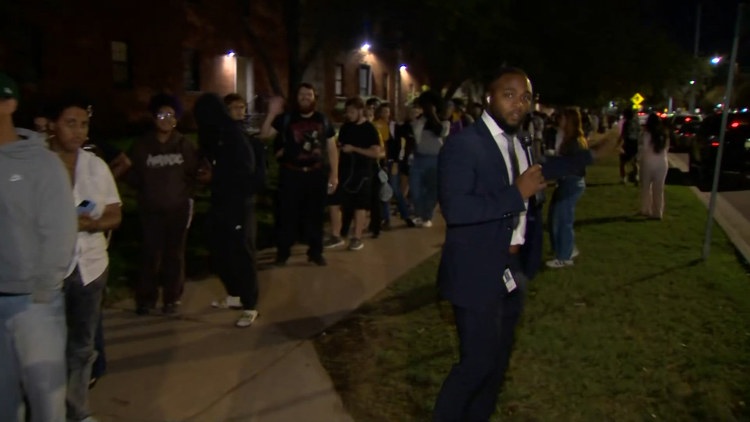
As the sun began to set on a crisp November evening, students at the University of North Texas found themselves standing in long lines that snaked around the campus. The atmosphere buzzed with a mix of excitement and anticipation as young voters eagerly awaited their turn to cast their ballots in the midterm elections. For many, this was their first opportunity to participate in the democratic process, a rite of passage that signified not just their right to vote, but also their commitment to shaping the future of their community.
On election day, voters in Denton and Collin counties faced unexpected delays, with some reporting waits of up to 45 minutes as polls were set to close. The high turnout among young voters, particularly at the University of North Texas, was a significant factor contributing to the long lines. Footage captured on campus showcased throngs of students, many clad in school colors, standing shoulder to shoulder as they waited patiently to fulfill their civic duty.
This surge in voter participation is a testament to the growing engagement among younger generations, who are increasingly aware of the impact their votes can have on local and national issues. For many, the midterm elections are not just about candidates but also about propositions that affect their daily lives, from education funding to healthcare access.
Local election officials were prepared for a busy day, but the volume of voters exceeded their expectations. “We knew there would be a lot of interest, especially among students, but we didn’t anticipate the lines being this long,” said Denton County Elections Administrator, Frank Phillips. His office worked diligently to ensure that every voter had the opportunity to cast their ballot, even as the clock ticked down to closing time.
Community members expressed mixed feelings about the long waits. Some were frustrated, noting that they had planned their day around voting and did not expect to stand in line for so long. Others, however, found camaraderie in the experience, sharing stories and engaging in discussions about the importance of voting. “It’s a small price to pay for something that matters so much,” said one student, who was excited to participate in the election.
Among the voices in line were students like Sarah Martinez, a sophomore majoring in Political Science. “I’ve been looking forward to voting since I turned 18. I want to be part of the change,” she shared. Her friend, Jake Thompson, added, “It’s empowering to see so many people here. It feels like we’re all in this together.” Their enthusiasm reflects a broader sentiment among the student body, many of whom participated in voter registration drives on campus leading up to the election.
The turnout at the University of North Texas is reflective of a broader trend across the nation, where young voters are becoming increasingly involved in the electoral process. Organizations dedicated to promoting civic engagement among students have played a significant role in this movement, providing resources and encouragement to help young people understand the importance of their voices in democracy.
According to a report by the U.S. Census Bureau, voter turnout among those aged 18-29 has steadily increased in recent years. This trend is particularly encouraging as it indicates a shift in the perception of voting among younger generations, who are recognizing that their participation can lead to tangible changes in their communities.
While the enthusiasm for voting is commendable, the long wait times also highlight ongoing challenges within the electoral process. Many polling places across Denton and Collin counties reported staffing shortages and equipment malfunctions that contributed to the delays. “We are constantly working to improve the voting experience,” Phillips added, acknowledging that the issues faced on election day were frustrating for many voters.
Election officials are now reviewing the day’s events to identify areas for improvement. The goal is to ensure that future elections run more smoothly, allowing voters to exercise their rights without unnecessary delays. “We want to make sure that everyone can vote and feel confident in the process,” Phillips emphasized.
In light of the challenges faced, community leaders are already discussing potential solutions. One suggestion includes increasing the number of polling places on campus to accommodate the influx of student voters. Additionally, enhancing training for poll workers to handle high volumes of voters efficiently could mitigate some of the delays experienced this election cycle.
As the dust settles on this year’s midterm elections, the lessons learned from the long lines and enthusiastic turnout will likely shape future voting strategies in Denton and Collin counties. Community leaders are already discussing ways to enhance voter education and outreach efforts, particularly targeting younger demographics who showed up in droves this election cycle.
In the aftermath of the election, local organizations are planning events and initiatives to keep the momentum going. “We want to harness this energy and encourage students to stay engaged, not just during election years but throughout their lives,” said a representative from a local civic engagement group. This includes workshops on civic engagement, discussions on pressing local issues, and opportunities for students to connect with local leaders.
Organizations such as the League of Women Voters and local chapters of national civic engagement groups have been instrumental in fostering a culture of participation. They are planning to host forums and discussions aimed at educating voters about upcoming local elections and issues that matter to the community. These efforts aim to build a more informed electorate that is prepared to engage in the democratic process year-round.
As Richardson residents reflect on the importance of civic participation, it is clear that the commitment to democracy runs deep in this community. The long lines may have tested patience, but they also served as a reminder of the power of collective voices coming together to shape the future. The experience of voting is not merely a transaction; it is a community event that fosters connections and dialogue among residents, making the democratic process more vibrant and inclusive.
By Angela Lee

By Miguel Torres
By Tommy Lee

By Kevin Brooks