
Community
He was found wearing a belt with the initials 'RB' in Humble in 1987. Who was he?
By Rachel Gonzalez
Advertisement · Why this ad?
Clara Ramirez, a graduate of the University of Texas at Arlington, has spent the last 15 years reporting on local issues that impact the everyday lives of Richardson residents. Before joining the Richardson Current, she worked as a community editor at the Dallas Morning News, where she honed her skills in uncovering grassroots stories.
More from Clara →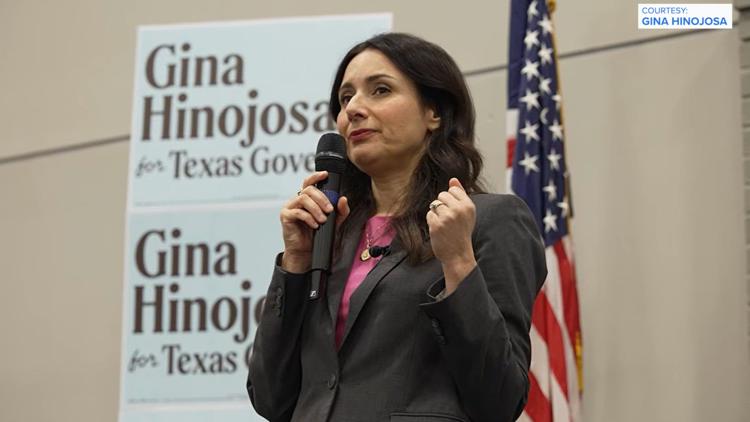
As the sun began to set over Richardson, Texas, a palpable sense of anticipation filled the air. Families gathered on porches, discussing their hopes for the future, and among them was Maria Gonzalez, a single mother of two. Maria, like many Texans, has been keeping a close eye on the recent proposals that could potentially put $1,500 into the pockets of residents. The prospect of financial relief has ignited conversations about dreams, aspirations, and the everyday struggles that many face. But what will it take for this payment plan to become a reality?
Recently, Governor-elect Gina Hinojosa unveiled her ambitious plan to utilize $17 billion from the state’s rainy-day fund to provide direct payments to Texans. This proposal, which aims to offer each eligible resident $1,500, has generated both excitement and skepticism across the state. The rainy-day fund, built up over the years, is intended to be used in times of economic distress, and many see this as an opportune moment to offer relief to families struggling with inflation and rising costs.
However, while the idea of receiving a financial boost is appealing, there are still significant hurdles to overcome before any payments can be distributed. As of now, no official payment or distribution date has been set, leaving many residents like Maria wondering when, or if, they will see this money. The proposal needs to gain traction in the state legislature, where discussions about budget allocations and spending priorities will take center stage.
Hinojosa's plan has sparked a broader conversation about fiscal responsibility and the best ways to support Texas families. Advocates argue that direct payments could alleviate some of the financial burdens faced by low- and middle-income households. In contrast, critics worry about the long-term implications of drawing from the rainy-day fund, emphasizing the need for sustainable financial practices.
In Richardson, the community's response has been overwhelmingly positive, with many residents expressing hope that the proposed payment could provide much-needed relief. “Every little bit helps,” said Maria, her voice filled with optimism. “With rising costs for groceries and rent, $1,500 could really change things for my family.” Her sentiment is echoed by many in the area who see this as a chance to catch up on bills or even save for future expenses.
Despite the excitement, there are also voices of concern within the community. Some residents worry about the implications of using the rainy-day fund, fearing that it might not be a sustainable solution for long-term economic stability. “We need to think about the future,” stated John Thompson, a local business owner. “What happens when the fund runs out? We need to ensure that we’re not just putting a band-aid on a bigger problem.” This concern highlights the delicate balance that state leaders must navigate as they consider the best path forward for all Texans.
Moreover, there’s a growing recognition that while direct payments can provide immediate relief, they are not a substitute for comprehensive economic policies that address the root causes of financial insecurity. Community leaders are advocating for a more holistic approach that includes job training programs, affordable housing initiatives, and support for small businesses.
The Texas rainy-day fund, formally known as the Economic Stabilization Fund, has been a financial safety net for the state since its inception in 1988. Designed to help Texas weather economic downturns, the fund has accumulated billions over the years, providing a cushion during challenging times. Currently, the fund stands at approximately $17 billion, a figure that has led to the current proposal for direct payments.
Utilizing this fund for direct payments raises important questions about fiscal responsibility and the long-term economic health of the state. Advocates argue that this is an appropriate use of the fund, especially given the current economic climate. They point out that many Texans are struggling to make ends meet, and immediate financial assistance could help stabilize households across the state.
However, critics caution against depleting the fund without a clear plan for replenishment. They emphasize the importance of maintaining a robust rainy-day fund to ensure Texas remains resilient in the face of future economic challenges. This ongoing debate reflects a broader conversation about how best to support residents while maintaining fiscal integrity.
As the proposal moves forward, the next steps will be crucial in determining its fate. Hinojosa will need to rally support from lawmakers across the political spectrum to ensure the plan receives the necessary backing. This will involve negotiating budget priorities and addressing concerns from both advocates and skeptics.
Moreover, public engagement will play a significant role in shaping the outcome of this proposal. Residents across Texas are encouraged to voice their opinions and share their stories with lawmakers. Grassroots movements and community organizations are already mobilizing to advocate for the plan, emphasizing the real-life impact that $1,500 could have on families.
For many, this proposal is more than just a financial transaction; it represents hope and the possibility of a brighter future. As families like Maria's await news on the potential payments, the community remains engaged in the conversation, eager to see how their voices can influence the decision-making process.
In the coming months, as discussions around Gina Hinojosa's payment plan unfold, it will be essential for residents to stay informed and involved. The prospect of receiving $1,500 is not just about the money; it's about the opportunity to invest in families, dreams, and futures. For those like Maria Gonzalez, this could mean the difference between struggling to make ends meet and finding a sense of stability.
Ultimately, the outcome of this proposal will depend on the collective efforts of the community, lawmakers, and advocates who believe in the importance of supporting families in their time of need. As Richardson residents continue to share their stories and engage in dialogue, they are not only advocating for themselves but also for their neighbors and future generations. In a state known for its resilience and commitment to family values, the hope for financial relief is a testament to the strength of the Texas spirit.
By Rachel Gonzalez
By Clara Ramirez

By Briana Simmons

By Clara Ramirez